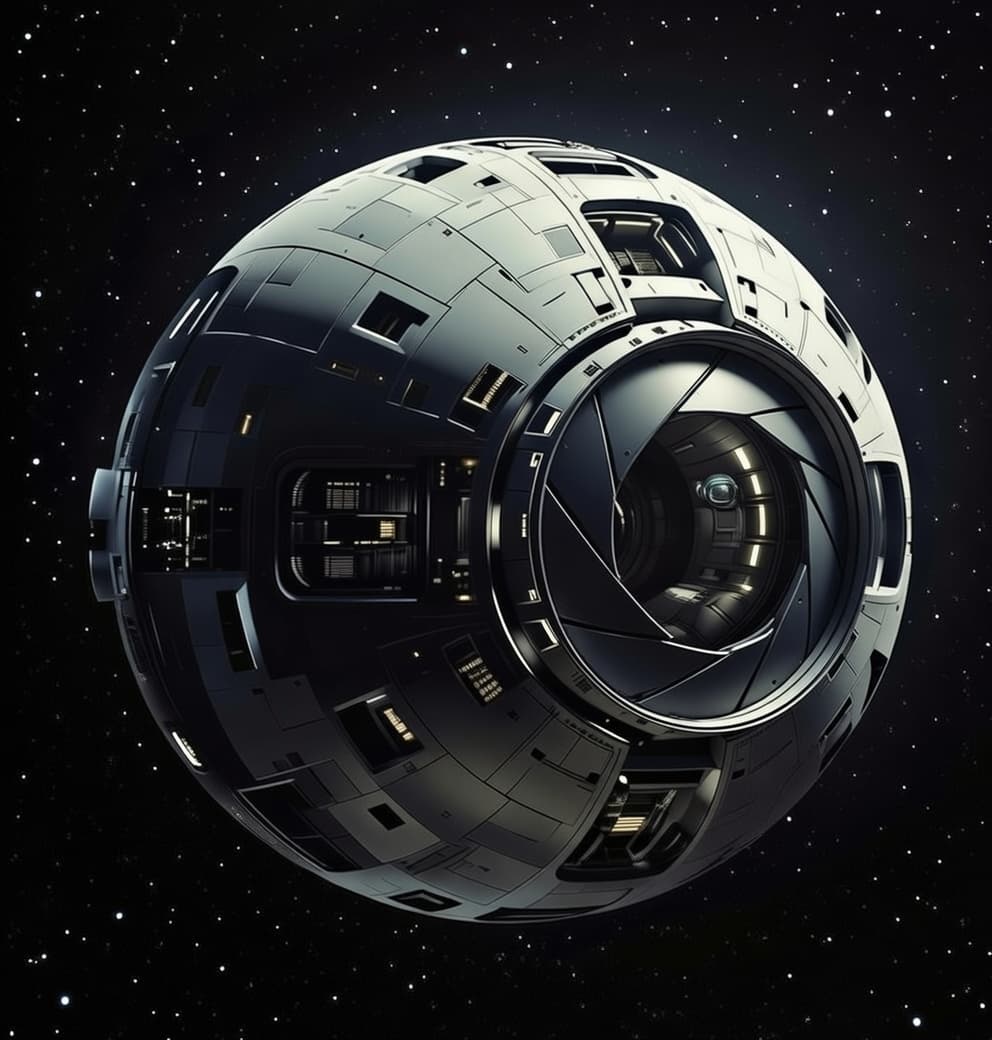
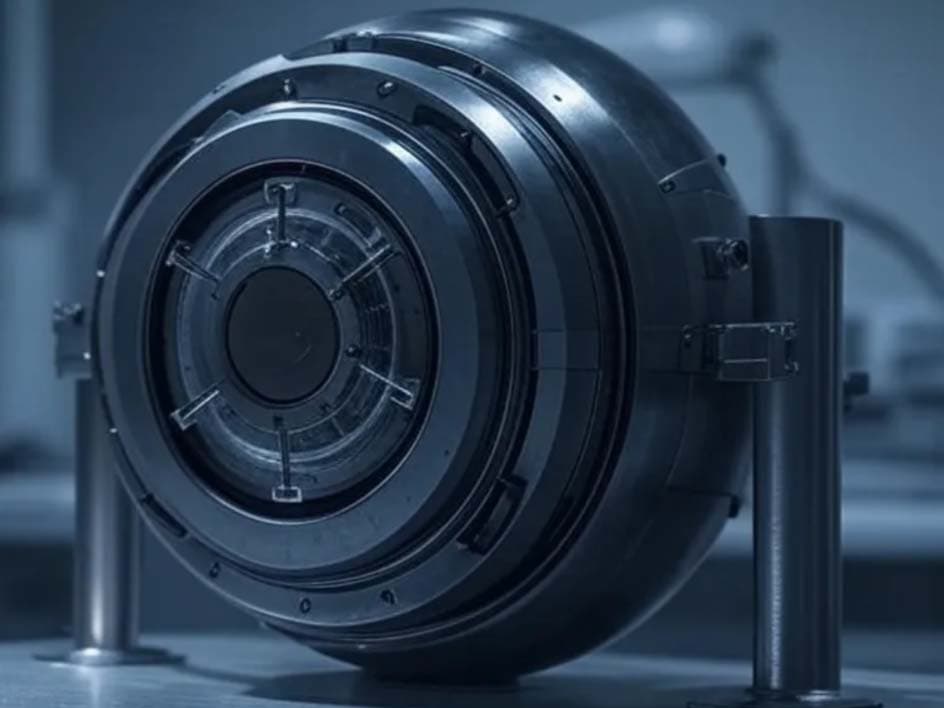
Martian Radiation Screen
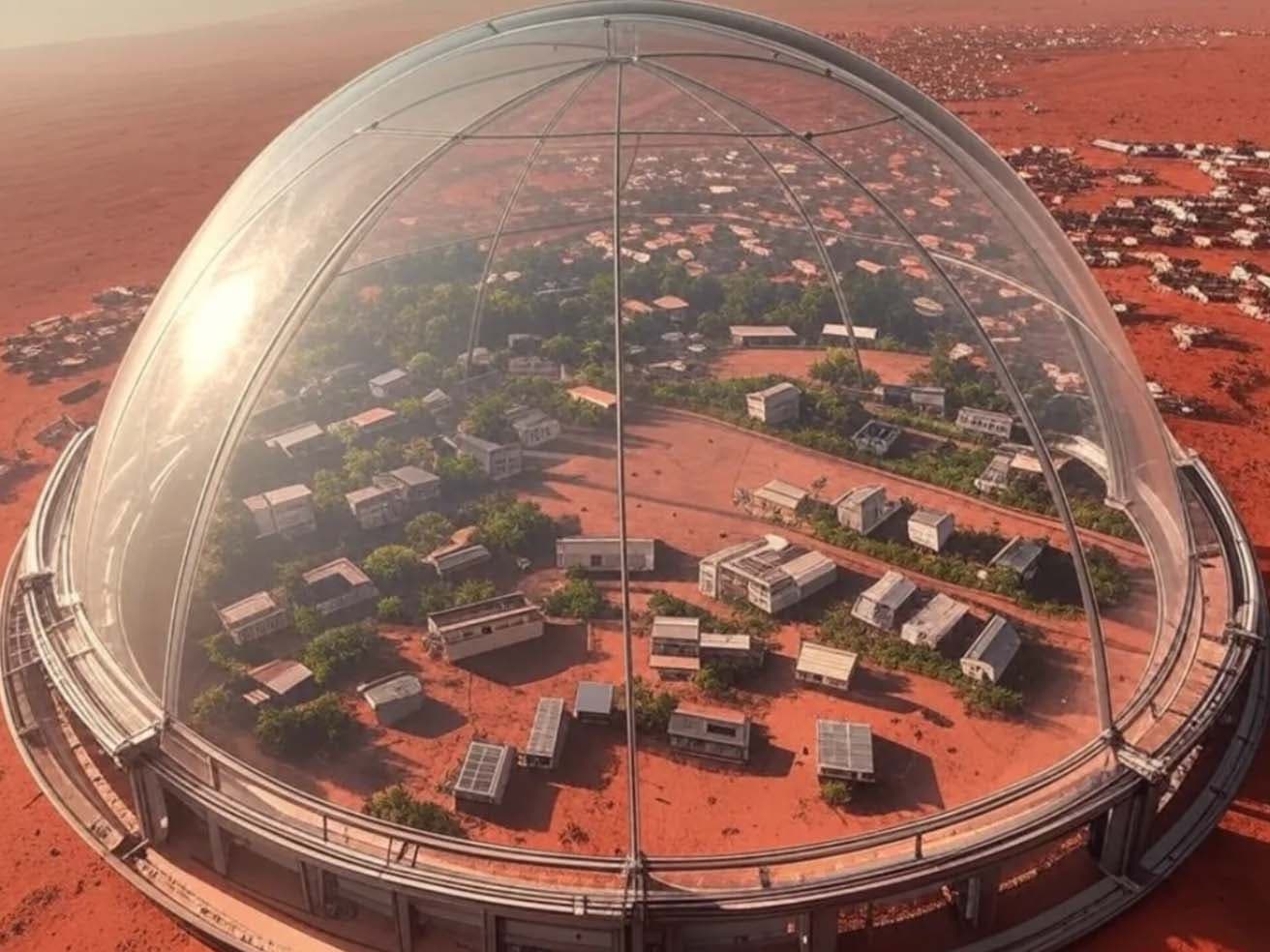
Martian Radiation Screen Specification
1. Purpose:
- Primary Function: Shield Martian colonies, equipment, and personnel from cosmic rays, solar flares, and other forms of high-energy radiation prevalent on Mars due to its thin atmosphere and lack of a global magnetic field.
2. Design Specifications:
Material:
- Primary Shielding: Use of hydrogen-rich materials like polyethylene or water for effective neutron shielding.
- Secondary Shielding: Incorporate metals like lead or tungsten for gamma rays and high-energy particles.
- Layered Approach: Multi-layered with varying thicknesses to cater to different radiation types.
Structure:
- Modular Design: Allows for easy assembly, disassembly, or scalability based on the size of the habitat or equipment to be protected.
- Portability: Components should be lightweight yet durable, possibly using inflatable structures for easier transport from Earth to Mars.
- Self-Healing Materials: Incorporate materials that can repair minor damages automatically to maintain integrity against radiation.
Dimensions:
- Variable: Adjustable based on use — from small personal shields to large dome structures over habitats.
- Example: A dome for a four-person habitat might have a diameter of 10 meters with walls 2 meters thick.
Coverage:
- 360-degree Protection: Ensure all angles are covered to prevent any radiation leakage from unprotected directions.
3. Performance Metrics:
Radiation Reduction:
- Target: Achieve at least 90% reduction in radiation exposure compared to Martian surface levels.
- Measurement: Use dosimeters integrated into the structure to monitor radiation levels both inside and outside the shield.
Durability:
- Longevity: Designed to withstand the harsh Martian environment for at least 20 years with minimal maintenance.
- Environmental Resistance: Must resist temperature extremes, dust storms, and UV radiation.
Energy Efficiency:
- Passive: Preferably no energy consumption, but if active components are used (like for self-healing or monitoring), they should be low-power.
4. Installation and Maintenance:
Installation:
- Guidelines: Provide detailed assembly instructions. Consider robotic assembly for large structures to reduce human exposure during setup.
Maintenance:
- Inspection: Regular checks for material degradation, particularly after significant solar events.
- Repair Kits: Include materials or methods for patching up damages or refreshing layers.
5. Safety and Compliance:
- Health Standards: Must meet or exceed standards set by space agencies like NASA or ESA for radiation exposure limits for humans in space.
- Regulatory: Comply with any future Martian colonization regulations regarding environmental and safety standards.
6. Testing:
- Pre-Deployment: Extensive testing under simulated Martian conditions on Earth, including radiation exposure tests.
- On-Site Testing: Post-installation tests to verify performance under real Martian conditions.
7. Cost Analysis:
- Materials: Estimate based on current market rates, considering future tech advancements might reduce costs.
- Transport: Factor in the cost of shipping bulky materials to Mars.
- Installation: Include labor or robotic costs for assembly on Mars.
This specification aims to provide a robust solution for radiation protection on Mars, ensuring safety for both human and mechanical systems in the Martian environment.
Tags
#radiation protection#martian environment#cosmic rays#solar flares#high energy radiation#polyethylene#water#neutron shielding
Quick Info
Category
AerospaceDate
February 2025
Key Technologies
radiation protectionmartian environmentcosmic rayssolar flares
Interested in this invention?
Get in touch to learn more or discuss collaboration opportunities.
Contact Us