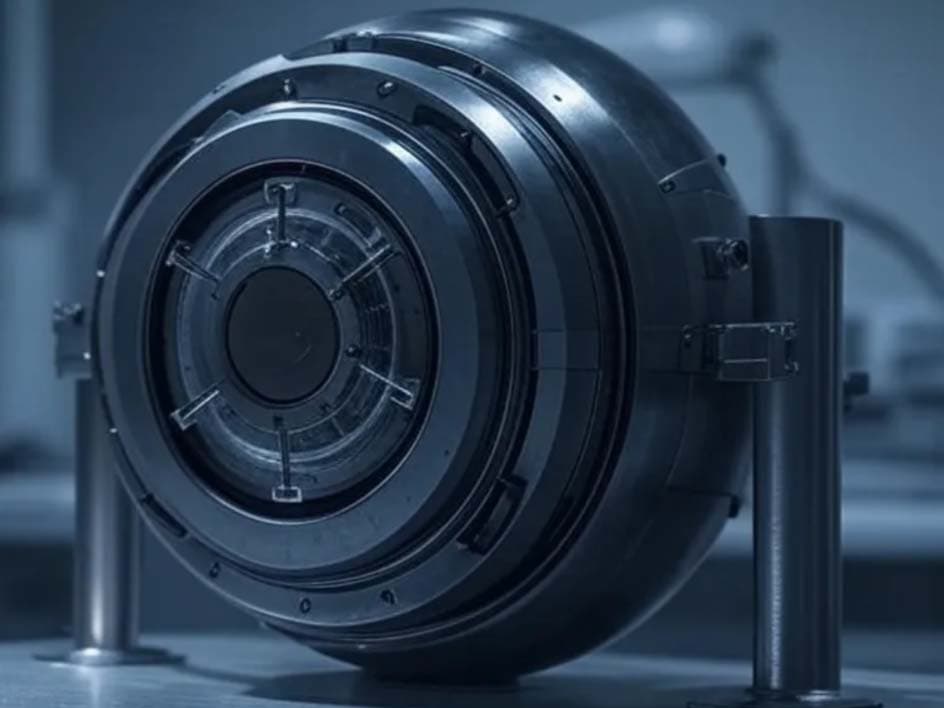
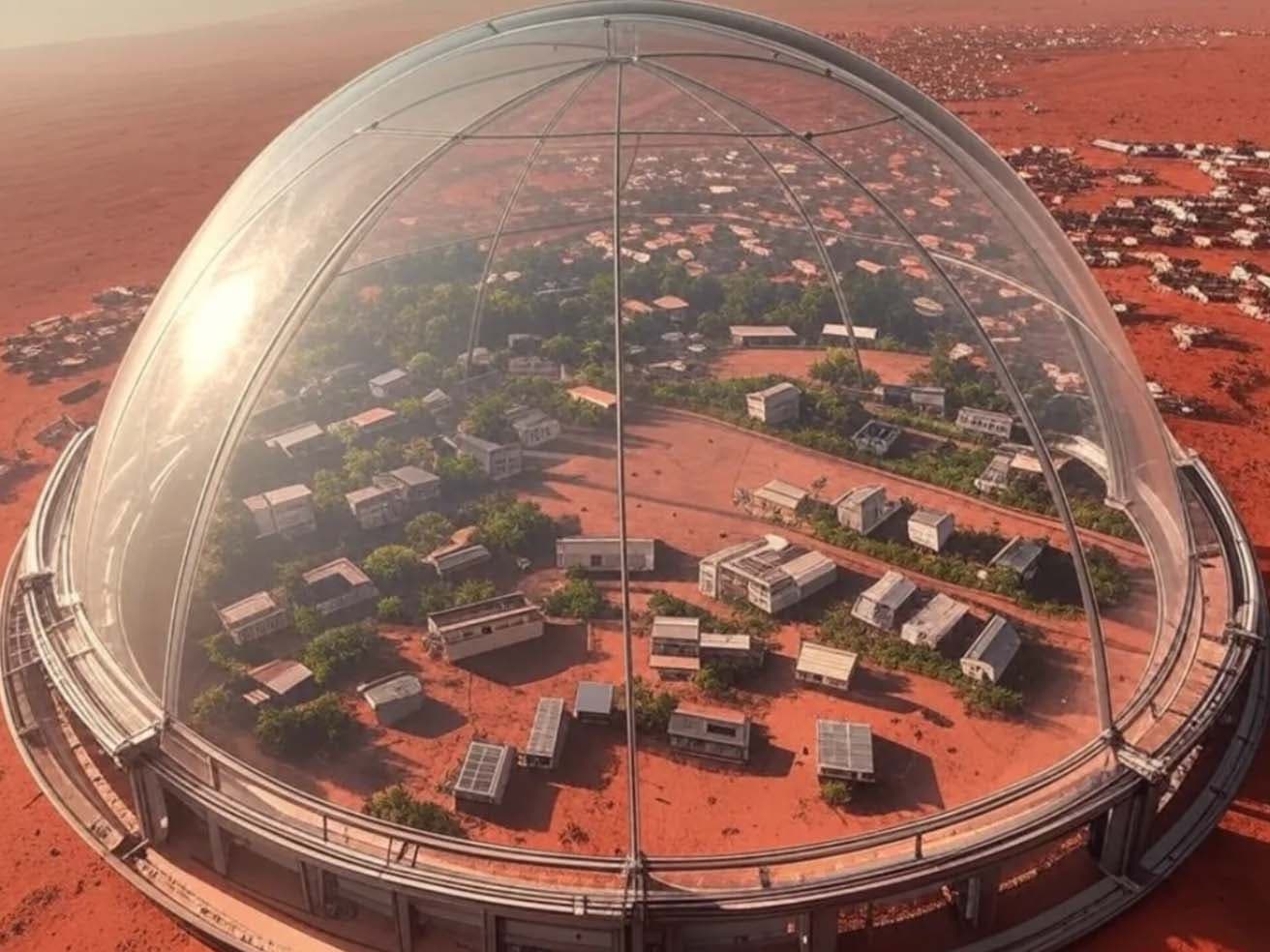
Fusion Voyager - Fusion Reactor & Burst Plasma Drive Spaceship
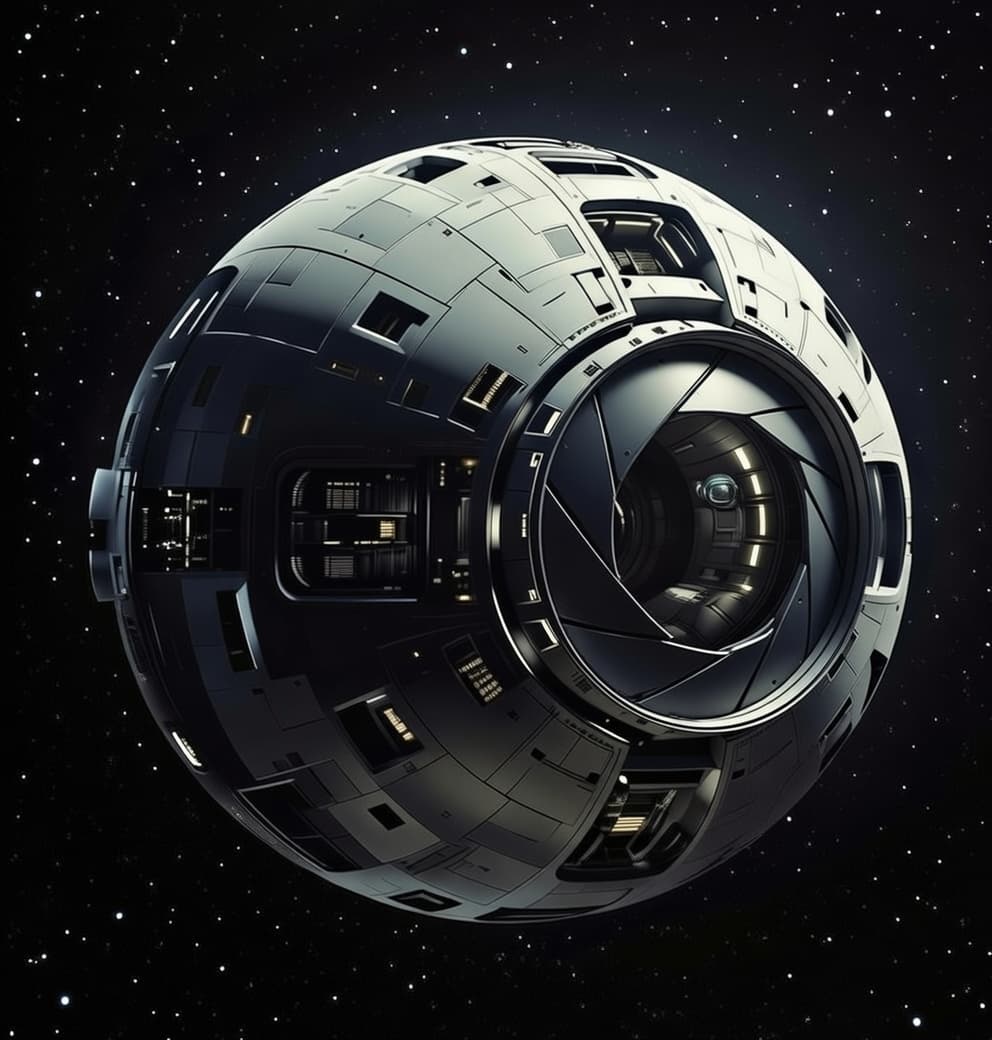
Fusion Voyager: Next-Generation Interplanetary Spacecraft
Overview
The Fusion Voyager represents a revolutionary approach to space exploration, combining nuclear fusion power generation with advanced pulsed plasma propulsion. This hypothetical design draws from current and emerging concepts including NASA's Pulsed Plasma Rocket (PPR) and Pulsar Fusion's Sunbird system.
Vessel Specifications
- Length: 100-200 meters
- Total Mass: 500-1,000 metric tons (including shielding, habitats, and cargo)
- Crew Capacity: 10-20 personnel
- Payload Capacity: 200-500 tons for cargo, scientific equipment, or habitats
- Transit Time (Earth to Mars): 2-6 months
Power System: Compact Linear Fusion Reactor
Design Concept
The vessel employs a compact linear fusion reactor inspired by the Sunbird Dual Direct Fusion Drive (DDFD), serving as the spaceship's primary power core.
Reactor Specifications
- Power Output: 2 MW continuous
- Specific Impulse (Isp): 10,000-15,000 seconds
- Thrust: 10-100 N
- Fuel: Deuterium-Helium-3 (self-sustaining)
- Fuel Mass: 10-20 tons in storage tanks
- Confinement Method: Magnetized target fusion (hybrid approach)
Advantages
- Higher energy efficiency than chemical or fission systems
- Reduces fuel mass by up to 50% for long missions
- Minimized neutron radiation through deuterium-helium-3 fuel choice
- Direct energy conversion for electrical power generation
Propulsion System: Pulsed Plasma Rocket (PPR)
Drive Concept
The burst plasma drive generates thrust by ionizing propellant into plasma and accelerating it electromagnetically in short, high-efficiency bursts. Based on NASA's Pulsed Plasma Rocket (PPR), derived from pulsed fission-fusion concepts.
PPR Specifications
- Maximum Thrust: Up to 100,000 N
- Specific Impulse: 5,000 seconds
- Propellant: PTFE (Polytetrafluoroethylene) or gas propellants
- Propellant Storage: 50-100 tons
- Drive Units: 4-6 PPR modules at rear
- Efficiency: ~10% (with improvements ongoing)
- Acceleration Method: Lorentz forces via electric arcs
Operational Characteristics
- High-frequency pulses for quasi-continuous thrust
- Suitable for both main propulsion and attitude control
- Low mass system design
- Delta-V capability: 10-20 km/s for Mars missions
Structural Framework
Hull and Shielding
- Construction: Advanced composite materials
- Radiation Protection: Water tanks and boron-infused layers
- Shielding Mass: ~200 tons
- Protection Against: Cosmic rays and fusion neutrons
Habitat Modules
- Rotating sections for artificial gravity generation
- Life support systems powered by fusion reactor
- Accommodation for 10-20 crew members
- Integrated water recycling and air purification
Power Distribution System
- Primary Generation: 1-2 MW from fusion reactor
- Distribution: Supplies drives, life support, and instruments
- Conversion Method: Direct conversion of fusion energy to electricity
Auxiliary Systems
Navigation and Control
- AI-assisted trajectory optimization
- Pulsed bursts for efficient delta-V adjustments
- Autonomous systems for deep space operation
Maneuvering Thrusters
- Hall-effect thrusters for precision control
- Powered by fusion reactor electrical output
- Independent propellant supply
Thermal Management
- Advanced radiator systems for heat dissipation
- Reactor cooling via space-rated heat pipes
- Optional thrust generation through expelled reactor contents
Assembly and Integration
Construction Approach
- Orbital Assembly: Components launched via reusable rockets and assembled in low Earth orbit
- Reactor Installation: DDFD-style reactor mounted amidships for optimal balance
- Drive Integration: PPR modules connected to reactor power grid
- System Testing: Vacuum tests of plasma pulses before operational deployment
Operational Sequence
- Ignite fusion reactor for primary power generation
- Initiate plasma burst sequences for acceleration
- Maintain high Isp and thrust for rapid transit
- Utilize robotic systems for propellant reloading
- Monitor confinement fields continuously
Performance Capabilities
Mission Profiles
- Mars Transit: 2-6 months (compared to 6-9 months conventional)
- Asteroid Belt: Accessible within reasonable timeframes
- Outer Planets: Jupiter and beyond with extended mission planning
Fuel Efficiency
- 50% reduction in fuel mass versus conventional propulsion
- Self-sustaining deuterium-helium-3 fusion reactions
- Potential for in-situ resource utilization (ISRU) at destinations
Technical Innovations
Dual Propulsion Integration
The Fusion Voyager uniquely combines steady-state fusion power with pulsed plasma propulsion, enabling:
- Continuous electrical power for all ship systems
- High-efficiency burst thrust for acceleration
- Flexibility in mission profiles and trajectory optimization
- Redundancy and fail-safe operational modes
Radiation Mitigation
- Strategic use of deuterium-helium-3 to minimize neutron production
- Multi-layer shielding architecture
- Magnetic field lines acting as additional radiation shield
- Water tanks serving dual purpose (shielding and life support)
Development Challenges
Technical Hurdles
- Fusion Stability: Achieving and maintaining sustained fusion reactions
- Plasma Efficiency: Improving PPR efficiency beyond current 10%
- Materials Science: Developing neutron-resistant structural materials
- Heat Management: Dissipating reactor heat in vacuum environment
Safety Considerations
- Radiation shielding adds significant mass
- Pulse timing coordination to avoid electromagnetic interference
- Emergency protocols for reactor shutdown
- Crew safety during high-thrust maneuvers
Regulatory Compliance
- Adherence to international treaties banning nuclear explosions in space
- Environmental impact assessments for fusion technology
- Ethical sourcing of rare fuels like helium-3
- Space debris mitigation protocols
Development Timeline and Costs
- Estimated Budget: $50-100 billion USD
- Development Timeline: 20-30 years based on current prototypes
- Key Milestones: Fusion break-even achievement, PPR optimization, orbital assembly infrastructure
- Technology Readiness: Dependent on breakthroughs in fusion sustainability
Real-World Foundations
Current Development Programs
- NASA's Pulsed Plasma Rocket (PPR): 2024 NIAC-funded program targeting Mars missions
- Pulsar Fusion Sunbird DDFD: Direct Fusion Drive development
- NASA Discovery II: Spherical torus reactor concept for Jupiter missions (118 days)
- DUPLEX CubeSat: In-orbit plasma propulsion demonstration (2025)
- Historical Precedent: Soviet Zond probes (1964) first use of plasma propulsion
Future Implications
Space Exploration Impact
- Enables rapid interplanetary human missions
- Reduces crew exposure to space radiation through shorter transits
- Opens outer solar system to crewed exploration
- Supports establishment of permanent off-world colonies
Technology Spinoffs
- Advanced fusion power for terrestrial applications
- Improved plasma physics understanding
- Materials science breakthroughs
- AI-driven autonomous navigation systems
Design Philosophy
The Fusion Voyager design philosophy emphasizes:
- Modularity: Replaceable and upgradeable components
- Redundancy: Multiple systems for critical functions
- Efficiency: Maximum performance with minimum fuel mass
- Safety: Comprehensive protection and fail-safe mechanisms
- Sustainability: Long-duration missions with minimal resupply
Conclusion
The Fusion Voyager represents a comprehensive blueprint for the next generation of human spaceflight. By combining the sustained power of nuclear fusion with the high-efficiency thrust of pulsed plasma propulsion, this design promises to revolutionize interplanetary travel. While grounded in real concepts from NASA and Pulsar Fusion, full realization depends on continued breakthroughs in fusion sustainability and plasma efficiency.
This spacecraft design serves as both an engineering challenge and an inspiration for future interstellar ambitions, demonstrating how advanced propulsion technologies can enable humanity's expansion throughout the solar system and beyond.
Technical Specifications Summary
| Parameter | Value |
|---|---|
| Vessel Length | 100-200 meters |
| Total Mass | 500-1,000 metric tons |
| Fusion Power Output | 2 MW |
| Fusion Isp | 10,000-15,000 seconds |
| PPR Maximum Thrust | 100,000 N |
| PPR Isp | 5,000 seconds |
| Crew Capacity | 10-20 personnel |
| Mars Transit Time | 2-6 months |
| Delta-V Capability | 10-20 km/s |
| Development Cost | $50-100 billion |
| Timeline to Readiness | 20-30 years |
Tags
Quick Info
Interested in this invention?
Get in touch to learn more or discuss collaboration opportunities.
Contact Us